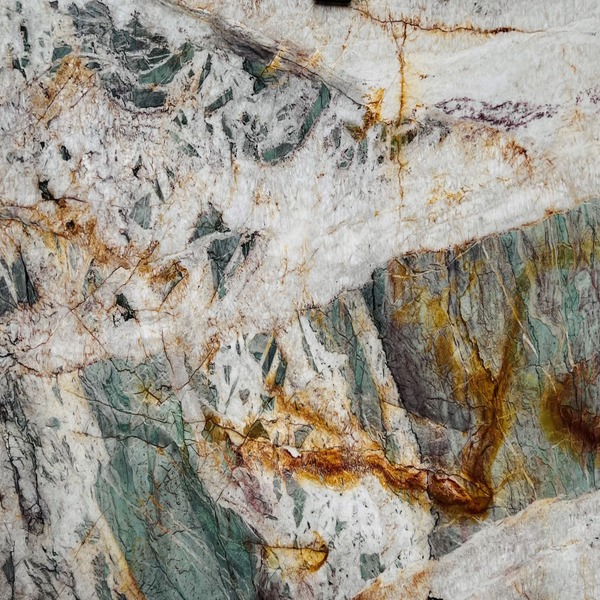
Description
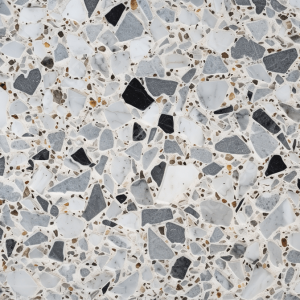
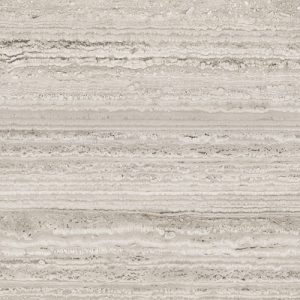
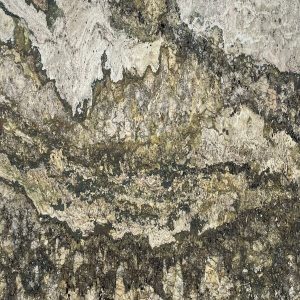
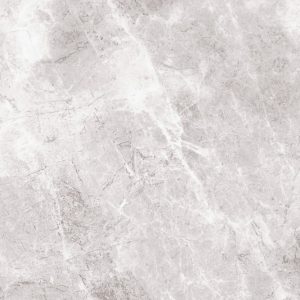
Quartzite is a natural metamorphic rock formed when sandstone rich in quartz grains is subjected to high heat and pressure over time. This process fuses the quartz grains tightly together, resulting in a very hard and dense stone that often resembles marble but is much more durable. Quartzite typically features a crystalline, sparkling appearance with subtle to bold veining or patterns.
Qualities (Pros):
-
Extremely Hard and Durable: Quartzite is harder than granite and much more scratch-resistant than marble.
Heat Resistant: Can withstand high temperatures, making it great for kitchen countertops.
Low Porosity (When Sealed): Naturally dense, but sealing improves resistance to staining and moisture.
Unique Natural Beauty: Often has striking veins and crystalline sparkle, similar to marble but more durable.
Acid Resistant: More resistant to acids than marble or limestone, making it practical for kitchens and bathrooms.
Suitable for High-Traffic Areas: Ideal for flooring, countertops, and wall cladding due to its toughness.
Long Lifespan: Can last many years with proper care and maintenance.
Limitations (Cons):
-
Requires Sealing: Although less porous than marble, quartzite still needs to be sealed to prevent stains.
Can Be Expensive: High-quality quartzite slabs can cost as much or more than granite or marble.
Heavy Material: Like other natural stones, quartzite is heavy and requires professional installation.
Difficult to Fabricate: Hardness makes it challenging to cut and polish; fabrication requires skilled professionals.
Limited Color Range: Generally comes in whites, grays, and subtle earth tones; less color variety than engineered stones.
Inconsistent Patterns: Natural stone variation means slab-to-slab differences in pattern and color.
Best Uses for Quartzite:
-
Kitchen countertops and islands
Bathroom vanities and backsplashes
Flooring in residential and commercial spaces
Wall cladding and fireplace surrounds
Outdoor kitchens and patios (when properly sealed)