
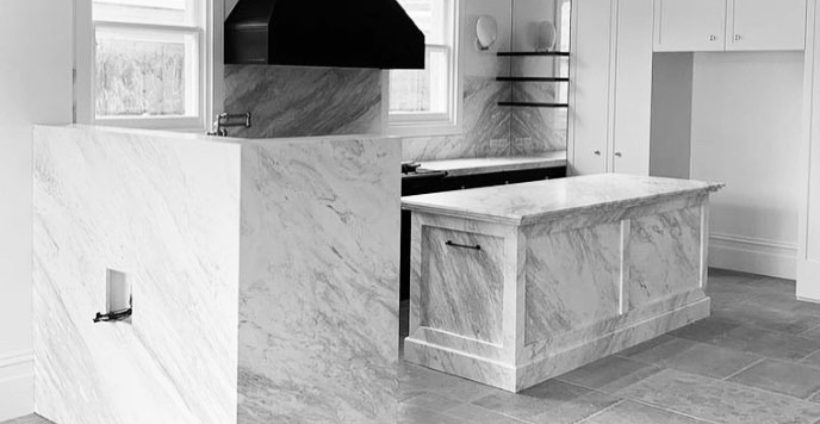
Marble is one of the most elegant and timeless materials you can have in your home or business. Its natural beauty adds sophistication to kitchens, bathrooms, flooring, and even commercial spaces. However, marble is also a porous stone, which means it needs the right care to keep it looking its best for decades.
Whether you have a marble benchtop, vanity, or flooring, here’s how to maintain and deep clean it without damaging the surface.
1. Everyday Maintenance
Wipe Spills Immediately
Oils & Acidic substances like lemon juice, wine, vinegar, and coffee can etch or stain marble if left too long. Wipe spills as soon as they occur with a soft cloth.
Use a pH-Neutral Cleaner
Avoid harsh cleaners. Instead, use a pH-neutral stone cleaner or warm water with a few drops of mild dish soap. This will clean the surface without damaging the stone or removing its seal.
Microfibre Cloths for Drying
After cleaning, always dry the surface with a microfibre cloth. This prevents water spots and streaks.
2. Weekly Cleaning Routine
- Dust and Wipe – For floors, use a dust mop rather than a vacuum with a beater bar to avoid scratching.
- Mild Solution Wash – Mix warm water with a small amount of pH-neutral cleaner. Dampen (don’t soak) a soft cloth or mop and wipe gently.
- Buff to Shine – Use a dry microfibre cloth to buff the marble for a polished finish.
3. Deep Cleaning and Stain Removal
If your marble has become dull or has light stains, you can deep clean it at home.
For General Deep Cleaning:
- Mix warm water and pH-neutral cleaner in a spray bottle.
- Spray lightly, then wipe with a soft sponge.
- Buff dry immediately.
For Tougher Stains:
- please seek professional advise
4. Polishing and Sealing
Marble should be sealed to protect it from staining. Depending on usage, reseal every 12 months.
- Test if it needs sealing: Sprinkle a few drops of water on the marble. If it darkens within a minute, it’s time to reseal.
- Use a high-quality penetrating stone sealer and follow the manufacturer’s instructions.
- For high-traffic areas or dull finishes, professional polishing may be required.
5. What to Avoid
- Vinegar, lemon, or acidic cleaners — these etch marble.
- Abrasive sponges or powders — these scratch the surface.
- Leaving wet items (like soap or sponges) sitting on marble — they can cause water marks or staining.
Final Word
With the right care, marble will retain its beauty for generations. Regular gentle cleaning, prompt spill management, and periodic sealing are the keys to keeping it in pristine condition. If your marble has severe stains, chips, or etching, professional restoration will bring it back to life without risking damage.
Internal Link Suggestion:
At the end of the article, we could add:
“Need professional advise for marble care ? Contact Acropolis Marble & Granite
If you like, I can now prepare the Elementor HTML version and SEO meta title + description so this is immediately publishable on the Acropolis site. That way it’s Yoast green from the start.
- By: craftsman
- Category: Uncategorized
- 0 comment