
Description
1. Marble
Description:
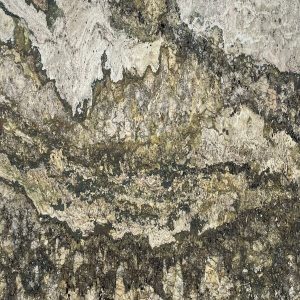
Metamorphic rock formed from recrystallized limestone under heat and pressure. Known for its luxurious appearance with veining and a smooth, polished surface.
Qualities (Pros):
-
Elegant and aesthetically pleasing
Takes a high polish, very smooth
Strong and durable for interior use
Heat resistant
Available in a variety of colors and veining patterns
Limitations (Cons):
-
Relatively soft – prone to scratching and etching (especially from acids)
Expensive compared to other natural stones
Requires regular sealing
Not ideal for heavy-use areas or outdoor exposure (weathering)
2. Dolomite
Description:
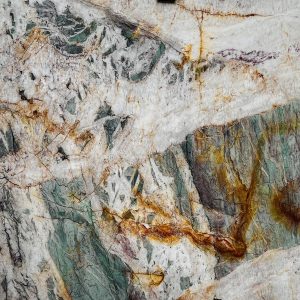
A sedimentary carbonate rock similar to limestone but composed mainly of the mineral dolomite (calcium magnesium carbonate). Often used as a building stone and for countertops.
Qualities (Pros):
-
Harder and more durable than regular limestone
More resistant to acids than marble and limestone
Attractive appearance, often resembles marble
Limitations (Cons):
-
Still softer than granite or quartzite
Can scratch or etch with strong acids
Not as widely available or well-known
Requires sealing to prevent staining
3. Limestone
Description:
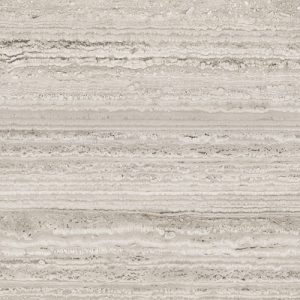
A sedimentary rock composed mostly of calcite (calcium carbonate). It often contains fossils and has a soft, earthy appearance.
Qualities (Pros):
-
Natural, warm, and soft aesthetic
Easy to cut and shape
Good for indoor and some outdoor applications
Ages well and develops a patina over time
Limitations (Cons):
-
Soft and porous – vulnerable to scratching and staining
Reacts with acids (vinegar, lemon juice, etc.)
Requires sealing and maintenance
Limited color range (usually beige, grey, or cream tones)
4. Sandstone
Description:
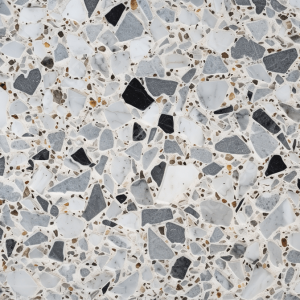
A sedimentary rock composed of sand-sized mineral particles, mainly quartz. It has a grainy texture and is often used in paving, building facades, and landscaping.
Qualities (Pros):
-
Strong and durable for exterior use
Natural texture and earthy colors (reds, browns, yellows)
Slip-resistant surface – good for outdoor paving
Easy to work with for carving and shaping
Limitations (Cons):
-
Porous – absorbs water and can stain
Weathering over time (especially in freeze-thaw climates)
Can be rough underfoot (not ideal for barefoot areas)
Needs sealing to reduce moisture absorption
Quick Comparison Table
| Property | Marble | Dolomite | Limestone | Sandstone |
|---|---|---|---|---|
| Hardness | Medium | Medium-Hard | Soft | Medium |
| Acid Resistance | Poor | Fair | Poor | Good |
| Porosity | High | Medium | High | Medium-High |
| Best Use | Interior (floors, walls, countertops) | Kitchens, bathrooms | Interiors, cladding | Exterior paving, landscaping |
| Appearance | Luxurious, veined | Clean, subtle veining | Earthy, fossil-rich | Textured, earthy tones |