Description
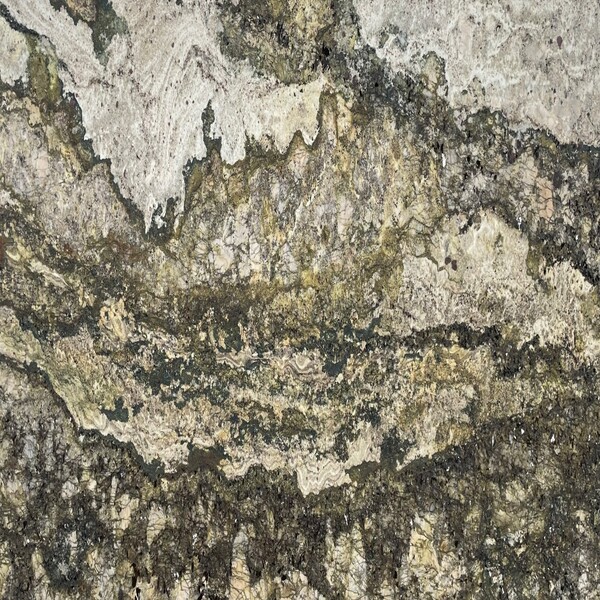
Granite is a natural igneous rock formed from the slow crystallization of magma beneath the Earth’s surface. It is primarily composed of quartz, feldspar, and mica, which give it a granular texture and a speckled appearance. Known for its exceptional strength and durability, granite is widely used in both residential and commercial construction.
Qualities (Pros):
-
Extremely Hard & Durable: Highly resistant to scratches, chips, and general wear.
Heat Resistant: Can withstand high temperatures without damage—ideal for kitchen countertops and fireplaces.
Stain & Water Resistant (When Sealed): Low porosity makes it suitable for areas prone to moisture.
Acid Resistant: Unaffected by common household acids (e.g., lemon juice, vinegar), unlike calcium-based stones.
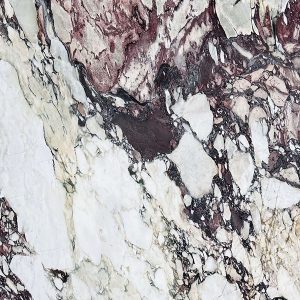
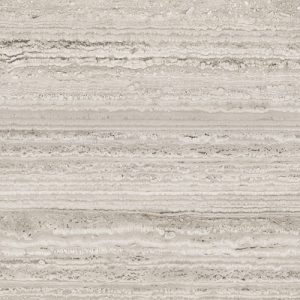
Aesthetic Variety: Available in a wide range of colors and natural patterns—speckled, veined, or swirled.
Low Maintenance: Easy to clean with mild soap and water; resealing typically only needed every 1–2 years.
Versatile Use: Suitable for countertops, flooring, wall cladding, monuments, and outdoor applications like pavers and steps.
Weather Resistant: Can endure freeze-thaw cycles and UV exposure, making it suitable for exterior use.
Limitations (Cons):
-
Heavy Material: Requires strong structural support and professional installation.
Can Be Expensive: Price varies by type, rarity, and source—some exotic granites can be costly.
Needs Sealing: Though less porous than other natural stones, it still requires periodic sealing to prevent staining.
Inconsistent Appearance: As a natural material, slabs can vary in color and pattern—even within the same lot.
Can Chip at Edges: While very strong, sharp impacts (especially on thin or unsupported edges) can cause chips.